
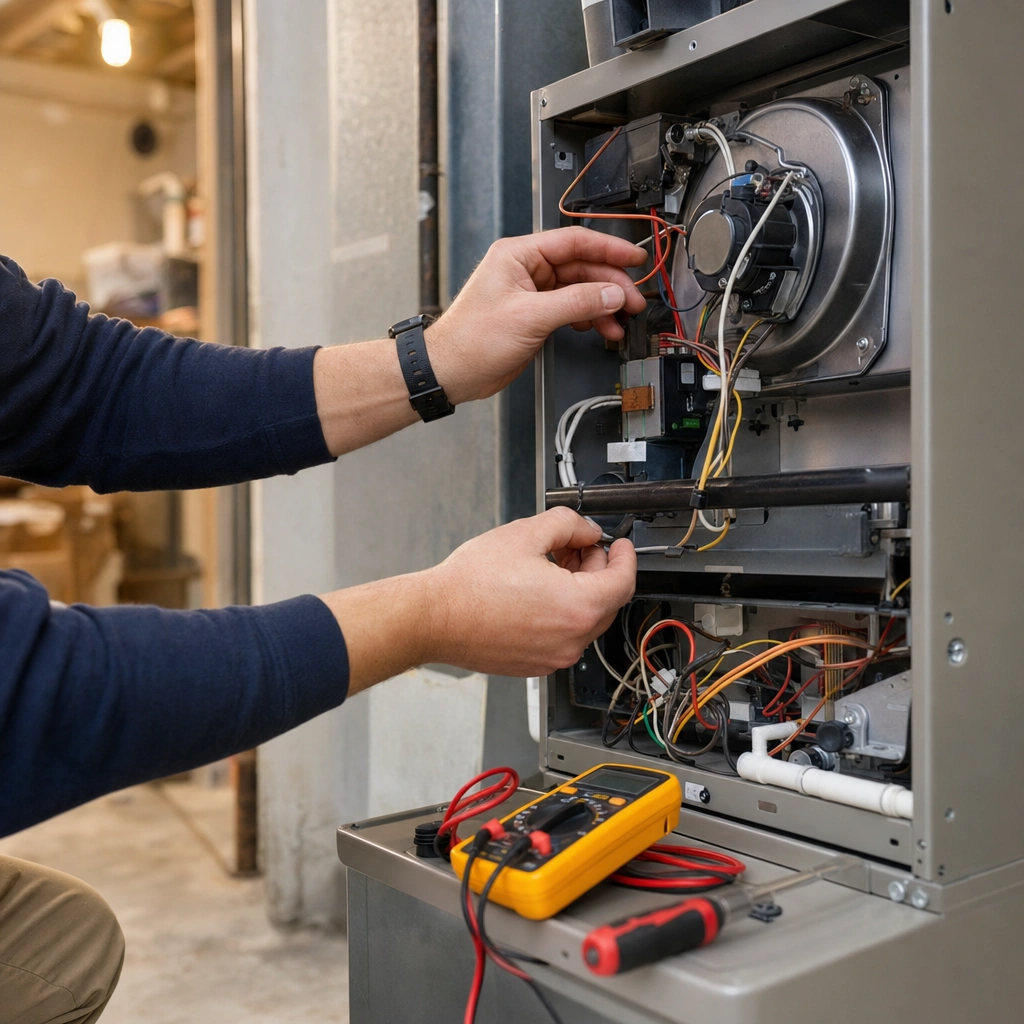
A furnace rarely fails without warning. Long before the day it stops working, it usually tells you something is wrong: rising bills, uneven heat, strange noises, or repairs that keep piling up. Catch those signs early, and replacement becomes a planned decision instead of an emergency one.
Nobody wants to think about their furnace until it stops working. But the truth is, most heating systems give you plenty of notice before that happens. The trick is knowing what to look and listen for, and understanding when a repair is enough versus when it’s time to start planning ahead.
How Long Should a Furnace Actually Last?
Most residential furnaces are built to run for 15 to 20 years, depending on the equipment, the quality of the original installation, and how consistently it’s been maintained.
That doesn’t mean a furnace is due for replacement the moment it turns 15. A well-maintained system can keep going strong well past that mark. But once a furnace enters that window, it deserves a closer look, especially if it’s already showing signs of strain.
And age isn’t the whole story. Older homes can run into trouble from aging ductwork or outdated controls. Newer homes aren’t immune either. Equipment that was poorly sized or under-maintained from day one can start causing problems well before its time.
Six Signs Your Heating System May Be Telling You Something
1. Your Furnace Has Crossed the 15-Year Mark
Age alone isn’t a verdict, but it changes the math. As a furnace gets older:
- Replacement parts become harder to find and more expensive
- Efficiency tends to decline
- Repairs start showing up more often
- The risk of a breakdown at the worst possible time goes up
If your system is approaching or past 15 years, it’s worth having someone take a real look at its condition, rather than waiting to find out the hard way.
2. Your Energy Bills Keep Climbing
Not every jump in your heating bill is your furnace’s fault. Insulation, air leaks, thermostat habits, and utility rates all play a role. But if your usage keeps creeping up while nothing about how you live has changed, your system may simply be working harder than it used to.
Aging equipment loses efficiency over time. It runs longer, cycles more, and struggles to hold the temperature you set. Sometimes better insulation or sealed ductwork solves the problem. Sometimes the furnace itself is the bottleneck. The only way to know for sure is to look at the whole system, not just the equipment in the basement.
3. Some Rooms Never Feel Right
Cold bedrooms upstairs. A basement that never quite warms up. A room near the furnace that’s always too hot. If you find yourself adjusting the thermostat over and over just to feel comfortable, something in the system isn’t doing its job.
Uneven heating can come from blocked vents, leaky or undersized ductwork, poor insulation, or a furnace that’s simply losing its ability to distribute heat evenly. A new furnace might help, but if the ductwork and airflow aren’t part of the assessment, you risk fixing the equipment while the actual problem stays put.
4. The Furnace Is Making Noises It Didn’t Used to Make
Every furnace makes some sound while it runs. What matters is a new or worsening noise:
- Banging can point to delayed ignition or an issue inside the unit
- Rattling often means loose panels, worn parts, or heat exchanger trouble
- Humming may trace back to electrical components or the blower motor
- Squealing usually signals a worn belt, motor, or bearing
- Popping can come from expanding ductwork or dirty burners
Not every noise means the furnace is done. Some are simple fixes. But repeated or compounding noises in an older system often mean multiple parts are wearing out at once, not just one. If you notice some of these occuring, call our 24/7 customer service line at <a href=”tel:9058454009″>905-845-4009</a>
For emergencies, if you ever smell gas, or notice a strong burning odour, leave the area immediately and call 911 or your service provider’s emergency line right away.
5. You’re Calling for Repairs More Often Than You Used To
One repair doesn’t mean the end is near. What matters is the pattern. Replacement starts to make more sense when:
- Repairs are happening more frequently
- The same part keeps failing
- Repair costs are climbing each time
- The furnace is already older and less efficient
- You’re worried the next breakdown will hit during a cold snap
A helpful way to think about it: weigh the cost of continuing to repair against the age and reliability of the system as a whole. A good technician should walk you through both options honestly, including when repair still makes sense.
6. The Pilot Light Keeps Going Out, or the Furnace Won’t Stop Cycling
Older furnaces with a standing pilot light that keeps extinguishing may have an issue with the thermocouple, gas supply, or ventilation. Newer systems with electronic ignition can run into their own ignition problems.
Frequent short-cycling, where the furnace turns on and off repeatedly instead of completing a full heating cycle, is its own red flag. Common culprits include a dirty filter, poor airflow, an oversized furnace, a faulty thermostat, or overheating.
Start simple: check the filter. It should be checked monthly and replaced every one to three months, more often if you have pets, allergies, or renovation dust in the air. Clean filters also mean cleaner air circulating through your home, not just a furnace that runs easier. If the filter is clean and the cycling continues, it’s time for a professional look.
Repair or Replace? How to Actually Decide
There’s no single age or repair bill that makes the decision for you. Weigh it against:
- System age
- Repair history
- Current efficiency
- Safety concerns
- Availability of replacement parts
- Comfort issues you’ve been living with
- The cost of repairs you can see coming
- Any renovations or home changes on the horizon
A newer furnace with a single repair behind it is usually still a good bet. An older system with a growing repair list, uneven heat, and rising bills is telling you something different.
If you’re planning a renovation, finishing a basement, or replacing windows, it’s worth reviewing your heating system before the work is complete. Changes to insulation, square footage, and layout all affect how your system performs afterward. Planning early avoids comfort problems you’d otherwise discover after the fact.
Why Planning Ahead Beats Waiting for a Breakdown
Wait until a furnace fails completely, and your choices shrink fast. In the middle of a cold snap, you’re making decisions based on what’s available, not what’s actually right for your home.
Planning ahead gives you room to:
- Compare your options properly
- Review efficiency ratings
- Confirm the right size for your home
- Check whether your ductwork can support a new system
- Consider thermostat or zoning upgrades
- Ask about rebates or financing
- Schedule the work on your timeline, not an emergency one
Replacing a furnace is a real investment, and it deserves a clear-headed decision, not a rushed one made under pressure.
What You Can Check Before You Call
A few things worth doing yourself first:
- Check the filter. Replace it if it’s dirty or clogged.
- Confirm the thermostat. Make sure it’s set to heat and programmed correctly.
- Clear the vents. Furniture and rugs can quietly restrict airflow.
- Listen closely. Note any new noises and whether they’re getting worse.
- Track your repairs. Keep a record of what’s been fixed and when.
- Keep the area clear. The space around your furnace should stay accessible.
Leave gas, electrical, ignition, and combustion components to a professional. These aren’t DIY repairs.
Frequently Asked Questions
Does furnace age alone mean I need to replace it?
Not necessarily. A well-maintained furnace can run well past 15 years. Age matters most when it’s paired with other signs, like rising repairs or uneven heat.
How do I know if my furnace needs replacing or just repair?
Look at the pattern, not the single event. Frequent repairs, climbing costs, and an aging system together point toward replacement. One isolated repair usually doesn’t.
Why does my furnace keep turning on and off?
Short cycling is often caused by a dirty filter, poor airflow, an oversized unit, or a failing thermostat. Start with the filter, then call for an inspection if it continues.
Is it normal for a furnace to make noise?
Some operating sound is normal. New or worsening noises, especially banging, squealing, or rattling, usually mean something needs attention.
How much does furnace replacement typically involve?
It depends on your home’s size, ductwork condition, and the system you choose. An assessment is the only way to get an accurate answer for your specific setup.
Get a Straight Answer About Your Heating System
If your furnace is 15 years or older, your bills keep climbing, or your home just doesn’t heat the way it used to, it’s worth getting a real answer instead of guessing.
Contact us and we’ll assess the furnace, the ductwork, the airflow, and everything in between before recommending anything. We’re happy to walk you through exactly how we approach heating replacement before you commit to any project, or call us directly at (905) 845-4009.